


- Please Ask Before You Help
- A Wheelchair Can Mean Freedom
- Not Every Wheelchair User Is Unable to Walk
- Some of the Hardest Parts Are the Ones You Don’t See
- "There Are Only Two Steps" Still Means It's Not Accessible
- Wheelchair Users Have Ordinary Lives
- Asking Wheelchair Users About Their “Driving Licence” or L Plates Can Get Old
- You Don’t Have to Understand Everything About Disability
Everyday situations can look very different when you use a wheelchair. And people don’t always know how to interact with wheelchair users.
That can lead to awkward questions, unwanted help, or assumptions about what someone can or can’t do. These situations happen more often than you might think. Knowing what to say, what to avoid and when to simply ask can prevent an uncomfortable moment.
Here are 8 things wheelchair users wish more people understood:
Please Ask Before You Help
“Do you need help?”
That question takes a second, and it gives the wheelchair user a choice.
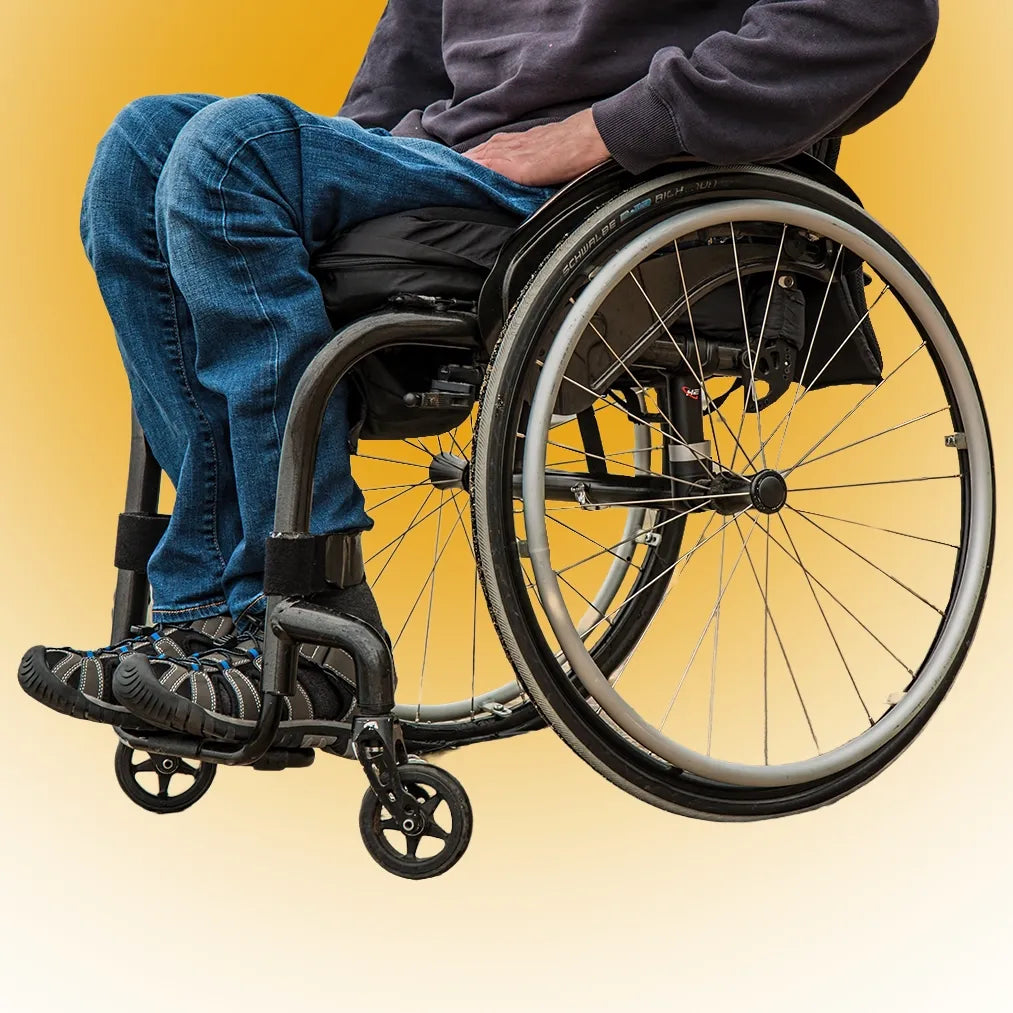
Kindness is appreciated but grabbing someone’s chair or suddenly pushing it without permission can cross a personal boundary. A wheelchair is part of someone’s personal space, so ask before you touch or move it.
If the answer is yes, let the person tell you what kind of help they need.
A Wheelchair Can Mean Freedom
For many people, a wheelchair gives them more independence.
It can make longer trips possible, save energy, and make getting around easier. Someone may use their chair for work, shopping, travel, or a day out with friends.
For some wheelchair users, their chair gives them the freedom to do more on their own.
Not Every Wheelchair User Is Unable to Walk
"Wait, but you can walk?"
Ambulatory wheelchair users hear this one with a raised eyebrow, sometimes after standing up to grab something off a high shelf. To some onlookers, it looks like a magic trick. Or worse, like someone faking it.
The reality is less dramatic. Plenty of people can stand, take a few steps, or walk short distances and still need a chair. Maybe walking causes pain. Maybe it burns through energy they need for the rest of the day. Maybe their balance isn't reliable, or a long distance would put them at risk of a fall.
A wheelchair is a mobility tool, the same way glasses are a vision tool. Wearing glasses doesn't mean you see nothing without them. Using a chair doesn't mean someone can't move their legs.
Some of the Hardest Parts Are the Ones You Don’t See
For some people with spinal cord injuries, using a wheelchair is only one part of daily life. Pain, muscle spasms, pressure relief, skin care, circulation, and regulating body temperature can all require attention throughout the day.
Daily routines can take more planning, too. Transfers, finding an accessible bathroom, or simply knowing whether the elevator works can shape where someone goes and how long they stay.
Before heading somewhere new, a wheelchair user may check the bathroom setup, the space available for transfers, and elevator access. Most people never have to think twice about these things, but for a wheelchair user, they can determine whether the outing works at all.
"There Are Only Two Steps" Still Means It's Not Accessible
You ask if a restaurant is wheelchair accessible.
The answer: “Yes, there are just two steps at the entrance.”
For a wheelchair user, those two steps can decide whether they get through the door at all.
The same problem can be a doorway that’s too narrow, a broken elevator, or a bathroom a wheelchair can’t enter. Even an accessible parking space blocked by another car can change the plan.
Accessibility has to work in practice. If someone can’t get in, use the bathroom, or move through the space, the place isn’t accessible to them.
Wheelchair Users Have Ordinary Lives
Using a wheelchair doesn’t put love, relationships, parenthood or a fulfilling life out of reach, even though people sometimes still treat these things as surprising.
Wheelchair users fall in love, build relationships, start families, pursue careers, and shape their lives around what matters to them. Many also enjoy sports, from swimming and basketball to wheelchair tennis, whether for fun, fitness, or competition.
Their routines or accessibility needs may look different, but their ability to build a life they want is no different.
Asking Wheelchair Users About Their “Driving Licence” or L Plates Can Get Old
“Do you have a driving licence?”; “Where are your L plates?”; “How fast can it go?”
These jokes may seem harmless, but many wheelchair users have heard them countless times before. The same goes for questions about top speed, mileage, or speeding tickets.
A wheelchair isn’t a sports car. It’s a mobility tool that helps someone get from point A to point B, and with power chairs, there’s something else worth remembering: they can’t always stop on a dime when someone suddenly steps in front of them.
You Don’t Have to Understand Everything About Disability
"I don't want to say the wrong thing."
That worry keeps some people from talking to wheelchair users at all. But nobody expects you to be an expert. Every wheelchair user has a different body, a different history, and a different relationship with their chair.
What helps is pretty simple. Talk to the person directly. Ask instead of assuming. And when someone tells you what they need, or what they don't, believe them.
You'll still slip up sometimes. That's fine. Just be willing to listen, ask and respect what wheelchair users say about their own needs.


